
Start a free trial of SuiteFiles to see how engineering teams organize project documents, control revisions, and meet compliance requirements without the chaos.
Why Engineering Firms Need Specialized Document Management
SuiteFiles provides engineering firms with a purpose-built document management system that replaces scattered shared drives, email attachments, and generic cloud storage with a single, organized platform designed for version-heavy, compliance-driven project work.
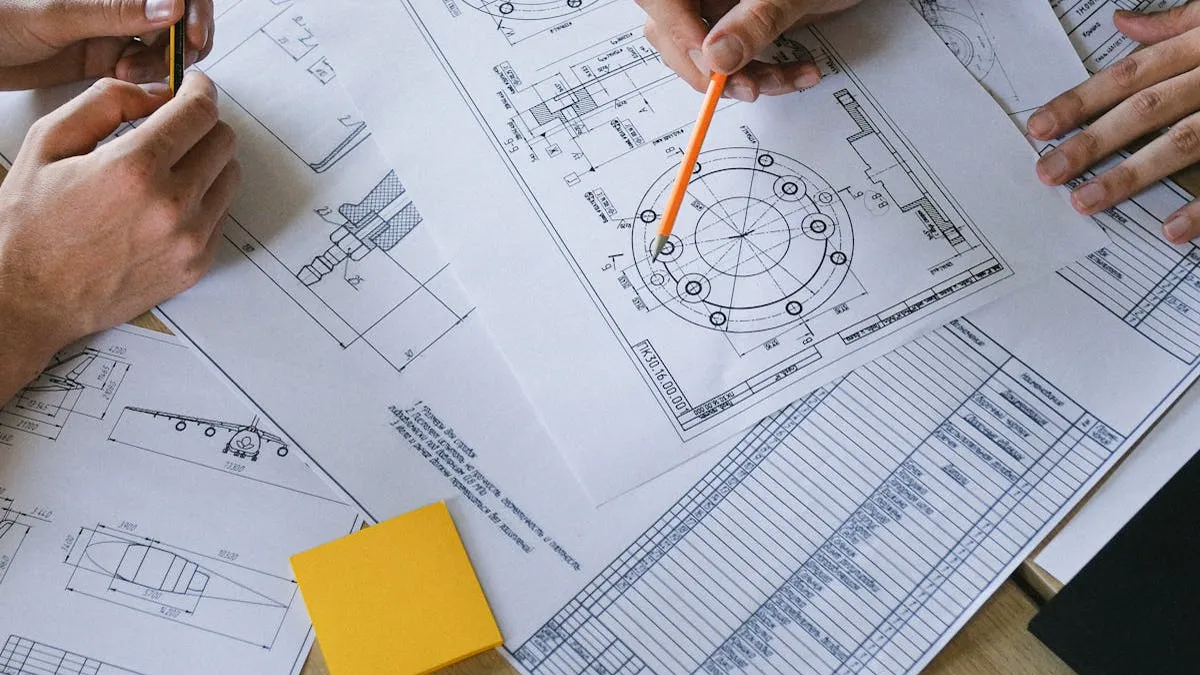
Engineering projects generate an enormous volume of documentation. From CAD drawings and technical specifications to compliance reports, RFIs, and project correspondence, the average engineering firm manages thousands of critical files across dozens of active projects at any given time.
The problem? Most teams still rely on shared drives, email attachments, and generic cloud storage to manage this complexity.
The result is version confusion, compliance gaps, and hours wasted searching for the right file. Research from IDC shows knowledge workers spend roughly 30% of their workday just searching for information.
For engineering teams, the stakes are even higher. An outdated drawing on a construction site can lead to costly rework. A missing compliance certificate can halt an entire project. A security breach exposing proprietary designs can damage client trust and competitive advantage.
A purpose-built document management system (DMS) solves these problems by providing centralized storage, automated version control, granular access permissions, and audit trails designed for the way engineering teams actually work.
The Biggest Document Management Challenges in Engineering
SuiteFiles addresses the core document management pain points that engineering firms face daily, from version control chaos to compliance pressure and distributed team collaboration.
Before choosing a solution, it helps to understand the specific pain points that make document management so difficult for engineering firms.
Version Control Chaos
Engineering documents go through dozens of revisions before they are finalized. When teams manage versions manually, using file names like Drawing_FINAL_v2_revised_USE_THIS.dwg, mistakes are inevitable.
Multiple contributors overwrite each other’s work. Outdated drawings circulate via email. No one is confident they have the latest version.
The consequences are severe: rework, wasted materials, project delays, and in some cases, safety risks. One Fortune 500 company famously manufactured a $250,000 paper machine from the wrong drawing version, and the entire unit ended up as scrap.

Scattered Files Across Multiple Systems
Engineering teams often use separate tools for different file types. CAD drawings live in one system, project correspondence in another, and compliance documents on a shared drive.
This siloed approach makes it nearly impossible to get a unified view of project documentation.
When files are fragmented across platforms, teams waste time switching between tools, duplicating work, and reconciling conflicting information. A centralized document management system eliminates these silos by bringing everything into one searchable, organized platform.
Compliance and Regulatory Pressure
Engineering firms operate under strict regulatory frameworks. Depending on the discipline, you may need to comply with:
- ISO 9001: Quality management systems requiring documented processes, controlled records, and regular audits
- ISO 19650: Information management for BIM (Building Information Modelling) projects
- ISO 45001: Occupational health and safety management
- Local building codes and engineering standards, varying by jurisdiction and project type
- Environmental regulations, including documentation requirements for impact assessments and permits
Manually tracking compliance documentation is stressful and error-prone. An engineering document management system automates audit trails, restricts access to sensitive files, and ensures your organization can produce any required document at a moment’s notice during an inspection.
Collaboration Across Distributed Teams
Modern engineering projects involve multiple stakeholders: in-house engineers, external consultants, contractors, regulatory bodies, and clients. These teams are often spread across different offices, time zones, and even countries.
Without a digital platform that enables real-time collaboration, communication breaks down. Documents get stuck in email chains, approval workflows stall, and critical decisions are delayed.
A cloud-based DMS provides a single hub where all stakeholders can access, review, and approve documents regardless of location.
Security of Intellectual Property
Engineering designs and proprietary specifications are valuable intellectual property. Protecting this data from unauthorized access, accidental sharing, and cyber threats is non-negotiable.
A robust DMS provides role-based access controls so only authorized personnel can view or edit sensitive files. Detailed audit logs track who accessed what and when, providing accountability and a clear chain of custody for every document.
Book a demo to see how SuiteFiles handles version control, compliance, and collaboration for engineering teams.
Must-Have Features in an Engineering Document Management System
SuiteFiles combines automated version control, centralized storage, granular permissions, secure cloud storage, and deep Microsoft 365 integration into a single platform built for the demands of engineering project documentation.
Not all document management systems are created equal. Here are the features that matter most for engineering teams.
Automated Version Control
Every change to a document should be automatically tracked with timestamps, author details, and revision notes.
The system should maintain a complete version history so teams can compare revisions, roll back to previous versions, and always work from the most current file. Check-in/check-out functionality prevents two people from editing the same document simultaneously.
Centralized, Searchable Storage
All project documents should live in one organized, searchable repository. Teams need to find the right file in seconds, not hours.
Look for a system that supports metadata tagging, folder templates, and full-text search across all file types.
Granular Access Permissions
Not everyone needs access to everything. A good DMS lets you set role-based permissions at the folder, project, or document level.
External consultants can view specific files without accessing your entire library. Sensitive financial or legal documents can be restricted to authorized personnel only.
Audit Trails and Compliance Tools
Automated audit trails record every action taken on a document, from creation to final approval. This is essential for regulatory compliance, internal governance, and legal protection.
The best systems also support automated workflows for document review and approval, ensuring nothing slips through the cracks.
Integration With Existing Tools
Engineering teams use a variety of software daily. Your DMS should integrate seamlessly with the tools you already rely on. Key integrations include:
- Microsoft 365, for email filing, document editing, and real-time collaboration within Word, Excel, and Outlook
- Accounting software such as Xero or QuickBooks, for linking project financials to documentation
- Project management tools, to connect project timelines with document workflows
Secure Client Portals
Engineering firms regularly share deliverables with clients: drawings, reports, and sign-off documents. A secure client portal within your DMS lets clients access their project files without compromising your internal systems.
This is far more secure and professional than emailing large attachments or sharing public links.
Document Templates and Auto-Filing
Consistency matters in engineering documentation. Templates ensure that project folders, file naming conventions, and standard documents are set up correctly every time.
Auto-filing rules can automatically sort incoming files into the correct project folders, saving your team hours of manual organization each week.
Engineering Use Cases: How Teams Put a DMS to Work
SuiteFiles serves engineering firms across multiple disciplines, providing tailored document workflows for civil, MEP, environmental, and multi-discipline EPC teams managing complex, multi-phase projects.
Here is how different types of engineering firms use document management in practice.
Civil and Structural Engineering
Civil engineering firms manage massive volumes of drawings, site surveys, geotechnical reports, and council submissions.
A DMS keeps all project documentation organized by phase (concept, detailed design, construction, as-built) and ensures the design team, site team, and council reviewers are always working from the same set of approved drawings.
For large infrastructure projects, a centralized system prevents the costly mistakes that happen when contractors work from superseded specifications. A single out-of-date drawing can lead to weeks of rework and tens of thousands in wasted materials.
Mechanical and Electrical Engineering (MEP)
MEP firms juggle equipment schedules, single-line diagrams, load calculations, and commissioning records. Version control is critical when specifications change mid-project.
A DMS tracks every revision and ensures procurement teams order materials based on the latest approved designs. When a mechanical specification changes after procurement has started, the audit trail shows exactly when the change happened and who approved it.
Environmental and Consulting Engineering
Environmental consultants produce impact assessments, monitoring reports, and regulatory submissions. These firms need airtight document control to meet government audit requirements.
Automated audit trails and access logs provide the evidence trail regulators expect. When an environmental authority requests documentation for a project completed three years ago, a well-organized DMS retrieves it in seconds.
Multi-Discipline and EPC Firms
Large engineering, procurement, and construction (EPC) firms coordinate across multiple disciplines and geographic locations.
A cloud-based DMS ensures that structural, mechanical, electrical, and process teams all share a single source of truth. Transmittal management features track which documents have been sent to which parties, and when.
How to Implement Document Management in Your Engineering Firm
SuiteFiles makes implementation straightforward with project folder templates, auto-filing rules, and a migration process that gets engineering teams organized from day one without disrupting active projects.
Adopting a new system does not have to be painful. Follow these steps for a smooth rollout.
1. Audit Your Current State
Map out where your documents currently live: shared drives, email inboxes, personal hard drives, paper files. Identify the biggest pain points.
Are teams losing time searching for files? Are compliance audits a scramble? Understanding the problem helps you prioritize features.
2. Define Your Folder Structure and Naming Conventions
Before migrating anything, establish a clear folder hierarchy and file naming standard. For engineering firms, a project-based structure works well:
- Project Name > Phase > Discipline > Document Type
- Example: Bridge_Renewal_2026 > Detailed_Design > Structural > Drawings
Consistent naming conventions prevent the chaos that builds up over time when each team member uses their own system.
3. Start With a Pilot Project
Do not try to migrate everything at once. Choose one active project and move its documentation into the new system.
This lets your team learn the workflows, identify any issues, and build confidence before a full rollout.
4. Train Your Team
The best software is only effective if your team uses it correctly. Invest in training sessions focused on the workflows that matter most: uploading and versioning files, using templates, setting permissions, and running searches.
5. Roll Out Firm-Wide
Once your pilot is successful, extend the system across all projects and departments. Use the feedback from your pilot to refine folder structures, templates, and access policies.
Why SuiteFiles Works for Engineering Teams
SuiteFiles is the document management platform that engineering firms choose when they need more than basic cloud storage, combining version control, Microsoft 365 integration, secure client portals, and unlimited e-signing in a single, easy-to-adopt system.
SuiteFiles is a document management platform built for busy professional services teams, including engineering firms that need more than basic cloud storage. Here is what makes it a strong fit:
- Automatic version control: Every file change is tracked. Your team always works from the latest version, and the full revision history is just a click away.
- Deep Microsoft 365 integration: File emails directly from Outlook, edit documents in Word and Excel without leaving SuiteFiles, and collaborate in real time with your existing Microsoft tools.
- Document templates: Set up standardized project folder structures and document templates so every new project starts organized from day one.
- Auto-filing: Automatically sort emails and documents into the correct project folders, saving your team hours of manual work each week.
- Secure client portals: Share deliverables with clients through a branded, secure portal instead of emailing sensitive files.
- Unlimited e-signing: Get contracts, approvals, and sign-offs completed digitally without third-party tools or per-signature fees.
- Granular permissions: Control who can view, edit, or share files at every level.
Engineering teams using SuiteFiles save an average of 235+ hours per year through automation, streamlined workflows, and eliminating the time wasted searching for files.
Frequently Asked Questions
What is an engineering document management system?
An engineering document management system (EDMS) is a specialized platform built to store, organize, version-control, and secure the technical documents that engineering teams produce. Unlike generic cloud storage, an EDMS handles complex files like CAD drawings, BIM models, and technical specifications while maintaining a single source of truth for every project.
How does version control work in an engineering DMS?
Every time a file is saved or updated, the system creates a new version with a timestamp, author details, and optional revision notes. The full history is preserved, so teams can compare any two versions, roll back to a previous one, or confirm who made a specific change. Check-in/check-out locks prevent two people from editing the same file at the same time.
What compliance standards do engineering firms need to meet for document management?
Engineering firms commonly need to comply with ISO 9001 (quality management), ISO 19650 (BIM information management), ISO 45001 (occupational health and safety), local building codes, and environmental regulations. An EDMS automates audit trails, access logs, and document retention policies to support these requirements.
Can a DMS handle large CAD and BIM files?
Yes. A well-designed engineering DMS supports large file uploads, including CAD drawings, BIM models, and high-resolution PDFs. Cloud-based systems like SuiteFiles store files securely in the cloud, so teams can access them from anywhere without managing local server capacity.
How long does it take to implement a document management system for an engineering firm?
Most engineering teams can be up and running within a few weeks. The process includes setting up a folder structure, migrating existing documents, configuring permissions, and training the team. Starting with a single pilot project reduces risk and lets teams learn the system before a full rollout.
Is SuiteFiles suitable for small engineering firms?
Yes. SuiteFiles is designed for professional services teams of all sizes. Small engineering firms benefit from the same version control, templates, and auto-filing features that larger firms use, without the complexity or cost of enterprise-only platforms.
Take the Next Step
If your engineering firm is still wrestling with scattered files, version confusion, or compliance headaches, it is time to upgrade your document management approach.
Start your free trial to see how SuiteFiles organizes your engineering documents, or book a demo to get a personalized walkthrough from our team.
For a deeper dive into engineering document management concepts, check out our complete guide to engineering document management systems.

