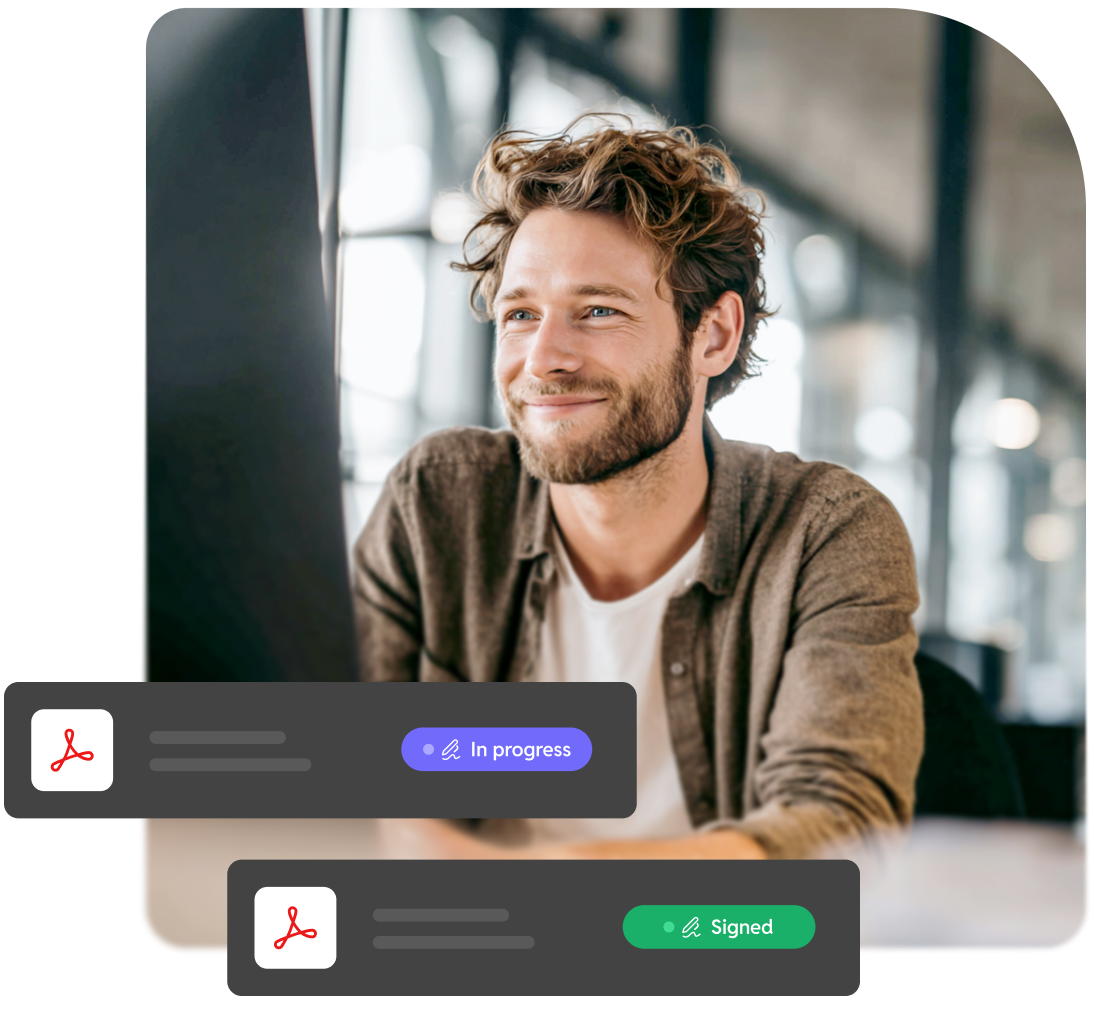
[vc_row type=”in_container” full_screen_row_position=”middle” column_margin=”default” column_direction=”default” column_direction_tablet=”default” column_direction_phone=”default” scene_position=”center” text_color=”dark” text_align=”left” row_border_radius=”none” row_border_radius_applies=”bg” overflow=”visible” overlay_strength=”0.3″ gradient_direction=”left_to_right” shape_divider_position=”bottom” bg_image_animation=”none”][vc_column column_padding=”no-extra-padding” column_padding_tablet=”inherit” column_padding_phone=”inherit” column_padding_position=”all” column_element_direction_desktop=”default” column_element_spacing=”default” desktop_text_alignment=”default” tablet_text_alignment=”default” phone_text_alignment=”default” background_color_opacity=”1″ background_hover_color_opacity=”1″ column_backdrop_filter=”none” column_shadow=”none” column_border_radius=”none” column_link_target=”_self” column_position=”default” gradient_direction=”left_to_right” overlay_strength=”0.3″ width=”1/1″ tablet_width_inherit=”default” animation_type=”default” bg_image_animation=”none” border_type=”simple” column_border_width=”none” column_border_style=”solid”][vc_column_text css=”” text_direction=”default”]Get ready—SuiteFiles is about to change the way you handle document signing forever. No more endless follow-ups, no more document confusion, and no more wasted time. Our highly anticipated Document Signing Update is on its way, bringing new features designed to streamline your workflows, eliminate bottlenecks, and make document signing effortless.
Chasing signatures is a familiar frustration. You send an important document, then the waiting game begins. Follow-up emails pile up and projects stall, all because you’re waiting on a simple signature.
We believe getting work finalized should be fast and simple. That’s why we’ve completely reimagined document signing in SuiteFiles. This update isn’t just an improvement—it’s a new foundation for getting agreements signed in minutes, not days.
Here’s a sneak peek at what’s coming:
What is Document Signing?
At its core, document signing is the process of adding a mark to a document to signify your agreement, acceptance, or authorization of its contents. For centuries, this meant putting a pen to paper. Today, it more often involves legally authorizing an electronic document. This can be done with an electronic signature, often called an e-signature, which is a broad term for any electronic mark of consent. It’s the digital equivalent of your handwritten signature, but it offers far more flexibility and efficiency than its analog predecessor.
Instead of printing, signing, scanning, and emailing a document back, electronic signing allows you to complete the entire process in just a few clicks. This method is not only faster but also creates a secure, digital record of the transaction. It streamlines workflows for everything from client agreements and employee contracts to financial reports and NDAs. By removing the physical steps, you can finalize agreements in minutes instead of days, which is a huge advantage for any busy professional trying to keep projects moving forward.
Electronic Signatures vs. Digital Signatures
While people often use the terms interchangeably, there’s a key difference between electronic and digital signatures. Think of an electronic signature as a general category for any electronic mark showing intent to sign. This could be your typed name at the end of an email, a scanned image of your handwritten signature, or a signature you draw on a screen with your finger or mouse. It’s simple and effective for many situations.
A digital signature, on the other hand, is a more secure and technically robust type of e-signature. It uses a digital certificate and encryption to verify the signer’s identity and ensure the document hasn’t been altered after signing. This creates a secure, tamper-evident seal. While both are legally valid, digital signatures provide a higher level of assurance, making them ideal for highly sensitive or legally critical documents where proof of identity and integrity is paramount.
How to Sign a Document Electronically
If you’ve never signed a document electronically, you might think it’s a complicated process. The good news is that it’s designed to be incredibly straightforward. Most modern document signing services guide you through each step, so you never have to guess what to do next. The entire experience is built around simplicity and speed, removing the traditional barriers of printing and scanning. You don’t need any special software or technical skills; if you can open an email and click a link, you can sign a document electronically.
The process typically starts when you receive an email with a request to sign. From there, you’ll be taken to a secure web page where you can review the document. The platform will clearly mark where you need to sign or initial. After you’ve created your signature, you simply apply it to the designated fields, fill in any other required information like your name or the date, and click a button to finalize it. Once complete, all parties usually receive a copy of the fully executed document for their records.
Creating Your Signature
When it’s time to create your signature, you have a few simple options. The most common method is to simply type your name, and the service will convert it into a stylized signature font. This is fast, easy, and legally binding. Another popular choice is to draw your signature using your mouse, trackpad, or a stylus on a touchscreen device. This option feels a bit more personal and closely mimics the act of signing with a pen. Finally, many platforms allow you to upload an image of your actual handwritten signature, which you can reuse anytime you need to sign.
The Standard Signing Process
The typical signing process is designed for efficiency. It usually begins with someone uploading a document, like a PDF or Word file, to a signing platform. From there, they add fields for signatures, initials, dates, and other information by dragging and dropping them onto the document. Once the document is prepared, they send it to the intended recipients. As the signer, you’ll receive a notification, review the document, apply your signature in the designated spots, and finalize the process. The platform then automatically shares the completed document with everyone involved, creating a seamless and efficient workflow.
Why Businesses Are Adopting Electronic Signatures
Businesses are moving to electronic signatures for reasons that go far beyond simple convenience. Adopting a digital signing process is a strategic decision that impacts efficiency, client relationships, and even the bottom line. It eliminates the time-consuming cycle of printing, signing, scanning, and mailing documents, which frees up valuable time for your team to focus on more important work. This acceleration of paperwork means deals close faster, projects start sooner, and clients get the service they need without unnecessary delays. It’s a simple change that can have a ripple effect across your entire organization.
Furthermore, electronic signatures introduce a level of organization and tracking that is difficult to achieve with paper documents. Every step of the signing process is recorded in a detailed audit trail, so you always know the status of a document. You can see who has opened it, who has signed, and who still needs to take action. This transparency reduces the administrative burden of manually following up with clients and partners, ensuring that nothing falls through the cracks. It’s a more professional, secure, and reliable way to manage important agreements.
Global Reach and Efficiency
In an increasingly connected world, businesses often work with clients, partners, and employees from all over the globe. Electronic signatures remove geographical barriers completely. Instead of waiting days or even weeks for international mail to deliver a contract, you can get a signature from someone on the other side of the world in minutes. Platforms like Docusign are used in over 180 countries and support signing in dozens of languages, making it easy to conduct business internationally. This global reach allows you to operate efficiently without the friction of time zones and physical distance.
Environmental Benefits
Beyond the business advantages, adopting electronic signatures is also a step toward a more sustainable, paperless office. Every document that is signed electronically is one less piece of paper that needs to be printed, filed, and eventually disposed of. This collective effort has a significant environmental impact. For example, since 2003, Docusign estimates its users have saved over 66 billion sheets of paper, which is equivalent to saving more than 7 million trees. Reducing paper use not only helps the environment but also cuts down on costs associated with paper, ink, printers, and physical storage space.
Legal and Security Considerations
When you’re dealing with important contracts and agreements, security and legality are non-negotiable. It’s natural to wonder if an electronic signature holds the same weight as a traditional wet ink signature. The answer is a resounding yes. Reputable electronic signature platforms are built on a foundation of robust security measures and are designed to comply with major international laws and regulations. These systems don’t just replicate the function of a signature; they add layers of security and verification that make the signing process even more secure than its paper-based counterpart.
From encryption that protects your documents in transit to detailed audit trails that record every interaction, these platforms are designed to ensure the integrity of your agreements. The technology works behind the scenes to verify the identity of signers and create a tamper-evident seal on the document once it’s signed. This means you can be confident that your documents are legally sound, secure from unauthorized access, and admissible in court. It’s a system that provides peace of mind for you and your clients.
Are Electronic Signatures Legally Binding?
Yes, electronic signatures are legally binding in the United States and many other countries around the world. This is thanks to legislation like the Electronic Signatures in Global and National Commerce (E-Sign) Act, which grants e-signatures the same legal status as handwritten ones. As long as all parties have consented to do business electronically, a signature cannot be denied legal effect just because it is in electronic form. Reputable services like DigiSigner are designed to meet these legal standards, ensuring your signed documents are fully enforceable.
The Technology Behind Secure Signing
The security of electronic signing relies on powerful technology. When you send or receive a document, your information is protected with strong encryption, like SSL, which is the same technology used for online banking. This prevents anyone from intercepting the document while it’s in transit. Additionally, every action taken during the signing process—from viewing the document to applying the signature—is recorded in a comprehensive audit trail. This log serves as proof of the entire signing event, providing a clear and detailed history that strengthens the document’s legal standing.
Practical Information for Signing Documents
Moving from theory to practice, using electronic signatures in your daily work is simple and versatile. You’re not limited to just one type of document or file format. Modern signing platforms are built to handle the variety of paperwork that businesses deal with every day, from simple permission slips to complex multi-party contracts. Whether you’re in finance, real estate, or any other industry, you can integrate e-signing into your existing workflows without much disruption. The key is to understand what you can sign and to follow a few best practices to ensure every transaction is smooth and secure.
This flexibility means you can standardize how your organization handles agreements. Instead of having one process for sales contracts and another for hiring documents, you can manage everything through a single, consistent system. This not only makes training easier but also reduces the risk of human error. Before you start, it’s helpful to know which file types are generally supported and to adopt a few simple habits to keep your signing process safe and effective. With a little bit of knowledge, you can confidently manage all of your important documents digitally.
Common Document Types for E-Signing
You can use electronic signatures for a wide range of important documents across various departments. Common examples include job offers and new hire paperwork for HR, sales contracts and proposals for sales teams, and lease agreements for real estate. Financial documents, permission slips, and non-disclosure agreements (NDAs) are also frequently signed electronically. Most services support common file types like PDF, Word, and Excel, as well as image files like PNG and JPEG. This versatility ensures you can handle almost any agreement that comes your way without needing to convert files or change your process.
Tips for Safe Signing
While the technology is secure, it’s always wise to follow a few best practices. First and foremost, always read the document carefully before you apply your signature. Make sure you understand all the terms and conditions you are agreeing to. It’s also a good idea to verify the sender’s email address to ensure the request is legitimate. When signing, use a secure internet connection rather than public Wi-Fi to protect your information. Finally, always save a final, executed copy of the document for your own records.
Choosing a Document Signing Service
With so many options available, selecting the right document signing service can feel overwhelming. The market ranges from free, single-use tools to comprehensive platforms that integrate signing into a much larger document management ecosystem. The best choice for you depends entirely on your needs. An individual or a small business that only needs to sign a few documents a year might find a free service perfectly adequate. However, a growing business that handles dozens or hundreds of agreements will need a more robust and integrated solution.
When evaluating your options, think about your entire workflow. Where do your documents come from before they need a signature? Where do they go afterward? A standalone signing tool might solve one part of the puzzle, but it can create new bottlenecks if it doesn’t connect with your other systems. Consider features like template creation, automated reminders, and integration with your existing software. The goal is to find a service that not only gets documents signed but also makes your entire process more efficient, secure, and scalable.
Free Services vs. Integrated Platforms
The main difference between free services and integrated platforms comes down to scope. Free tools are typically designed to do one thing well: get a document signed quickly. They are perfect for one-off situations where you just need a signature and don’t require advanced features like audit trails, template storage, or team management. They offer convenience for simple, infrequent tasks. An integrated platform, on the other hand, treats document signing as one crucial step in a larger workflow, connecting it to document creation, storage, and client communication.
When to Use Free Signing Tools
Free signing tools are an excellent choice for individuals or freelancers with minimal signing needs. If you need to sign a personal lease, a contract for a small project, or any other one-time agreement, a free service like SignFree is a great option. These tools are designed for speed and simplicity, often allowing you to upload a document, sign it, and download it without even creating an account. They are perfect for situations where you don’t need long-term storage, advanced tracking, or collaboration features. For quick, straightforward tasks, they provide a secure and efficient solution.
Why Businesses Need an Integrated Solution
For businesses, the context around a signature is just as important as the signature itself. Documents don’t exist in a vacuum; they are part of a larger client relationship or project. This is where an integrated solution becomes essential. When your signing tool is part of your document management system, you can create documents from templates, send them for signing, and have the executed copy automatically filed in the correct client folder. This seamless workflow saves a tremendous amount of administrative time and eliminates the risk of misplacing important documents.
An integrated platform like SuiteFiles provides a single source of truth for all your documents. Instead of juggling a separate signing service, email, and cloud storage, everything is managed in one place. This approach offers advanced features like automated reminders for unsigned documents, secure client portals for sharing files, and robust permission controls. It transforms document signing from a standalone task into a smooth, automated part of your business operations, giving you more time to focus on your clients.
Introducing the New SuiteFiles Document Signing Experience
The new document signing experience in SuiteFiles is built to solve these exact challenges. We’ve designed a system where signing is no longer a separate, disjointed step but a fully integrated part of your workflow. You can now prepare, send, and manage documents for signing directly from the same platform where you store and collaborate on them. This means no more downloading and re-uploading files or switching between different applications. Everything you need is in one place, creating a seamless and intuitive process for both you and your clients.
With our update, you can easily add signature fields to any document, set a signing order for multiple recipients, and track the status of every request in real-time. We’ve also included features like automated reminders to gently nudge anyone who hasn’t signed yet, reducing your administrative follow-up. Best of all, once a document is signed, it’s automatically saved back into the correct folder in SuiteFiles, complete with a full audit trail. It’s a smarter, more efficient way to handle your agreements, designed to give you back your time.
1. Send Multiple Documents in a Single Signing Request
No more sending separate emails for every document that needs a signature. With Document Packs, you’ll be able to bundle multiple documents into a single signing request—ensuring everything gets signed at once, in the right order, by the right people.
· Assign signing roles – Need both a CEO and a manager to sign different documents? You can designate who signs what and when, ensuring a smooth approval process.
· Control signing order – Set up sequential or parallel signing orders, allowing for structured approvals and compliance requirements.
· Reduce back-and-forth delays – Clients receive everything in one go, minimizing delays and eliminating the risk of lost documents in a crowded inbox.
2. Track Everything from the New Signing Dashboard
Keeping track of signing requests shouldn’t be a guessing game. Our redesigned Signing Dashboard gives you full transparency over the signing process, so you always know what’s happening at a glance.
· Real-time status updates – Instantly see whether documents have been sent, viewed, signed, or are still pending.
· Automated signature reminders – SuiteFiles will send timely follow-ups to clients, ensuring nothing is left unsigned.
· Comprehensive audit logs – Maintain full compliance with a detailed record of all signing activities, including timestamps and signer information.[/vc_column_text][/vc_column][/vc_row][vc_row type=”in_container” full_screen_row_position=”middle” column_margin=”default” column_direction=”default” column_direction_tablet=”default” column_direction_phone=”default” scene_position=”center” text_color=”dark” text_align=”left” row_border_radius=”none” row_border_radius_applies=”bg” overflow=”visible” overlay_strength=”0.3″ gradient_direction=”left_to_right” shape_divider_position=”bottom” bg_image_animation=”none”][vc_column column_padding=”no-extra-padding” column_padding_tablet=”inherit” column_padding_phone=”inherit” column_padding_position=”all” column_element_direction_desktop=”default” column_element_spacing=”default” desktop_text_alignment=”default” tablet_text_alignment=”default” phone_text_alignment=”default” background_color_opacity=”1″ background_hover_color_opacity=”1″ column_backdrop_filter=”none” column_shadow=”none” column_border_radius=”none” column_link_target=”_self” column_position=”default” gradient_direction=”left_to_right” overlay_strength=”0.3″ width=”1/1″ tablet_width_inherit=”default” animation_type=”default” bg_image_animation=”none” border_type=”simple” column_border_width=”none” column_border_style=”solid”][image_with_animation image_url=”503531″ image_size=”full” animation_type=”entrance” animation=”None” animation_movement_type=”transform_y” hover_animation=”none” alignment=”” border_radius=”none” box_shadow=”none” image_loading=”default” max_width=”100%” max_width_mobile=”default”][/vc_column][/vc_row][vc_row type=”in_container” full_screen_row_position=”middle” column_margin=”default” column_direction=”default” column_direction_tablet=”default” column_direction_phone=”default” scene_position=”center” text_color=”dark” text_align=”left” row_border_radius=”none” row_border_radius_applies=”bg” overflow=”visible” overlay_strength=”0.3″ gradient_direction=”left_to_right” shape_divider_position=”bottom” bg_image_animation=”none”][vc_column column_padding=”no-extra-padding” column_padding_tablet=”inherit” column_padding_phone=”inherit” column_padding_position=”all” column_element_direction_desktop=”default” column_element_spacing=”default” desktop_text_alignment=”default” tablet_text_alignment=”default” phone_text_alignment=”default” background_color_opacity=”1″ background_hover_color_opacity=”1″ column_backdrop_filter=”none” column_shadow=”none” column_border_radius=”none” column_link_target=”_self” column_position=”default” gradient_direction=”left_to_right” overlay_strength=”0.3″ width=”1/1″ tablet_width_inherit=”default” animation_type=”default” bg_image_animation=”none” border_type=”simple” column_border_width=”none” column_border_style=”solid”][vc_column_text css=”” text_direction=”default”]
3. Understand Documents Faster with AI Summaries
Reviewing long documents before signing can be time-consuming. That’s why we’re introducing AI-generated summaries, offering a concise, clear breakdown of key points before signing.
· Save time – Quickly grasp the main terms and conditions of a document without scanning every page.
· Reduce errors – Ensure that clients and stakeholders understand what they are signing before committing.
· Improve efficiency – Ideal for firms handling high volumes of contracts, agreements, and approvals where quick decision-making is crucial.
4. Keep Your Document Signing Secure and Compliant
These new signing features not only improve efficiency but also strengthen compliance and security, ensuring that your document signing workflows meet industry standards.
· Encrypted document storage – Sensitive information is securely stored and protected from unauthorized access.
· Legally binding signatures – Ensure compliance with global e-signature regulations and authentication requirements.
· Full traceability – Every signature and approval is time-stamped and logged, providing a clear audit trail for accountability.
What This Update Means for Your Workflow
This isn’t just another feature release—it’s a transformational shift in how our users manage document signing. Whether you’re handling contracts, client agreements, or approvals, SuiteFiles’ new document signing experience will help you:
· Eliminate repetitive tasks – Save hours every week by automating document workflows.
· Accelerate document turnaround times – Reduce signing delays and improve response times.
· Enhance the client experience – Ensure a seamless, hassle-free signing process that is intuitive and efficient.
When Can You Get These Updates?
The highly anticipated Document Signing Update is coming soon to all Super Suite users. Stay tuned for official release dates and early access opportunities. If you’re not on Super Suite, now is the perfect time to upgrade and experience document signing the way it should be.
Want to be the first to try it? Sign up to be an alpha tester to get early access and be among the first to experience the future of document signing.[/vc_column_text][nectar_btn size=”jumbo” constrain_group_2=”yes” open_new_tab=”true” button_style=”regular” button_color_2=”Extra-Color-1″ icon_family=”none” text=”Sign Up for Alpha Testing” url=”https://share.hsforms.com/21SfnITKbSxauc34bwjNerw36usp” margin_left=”400″ margin_right=”400″ margin_top=”50″][/vc_column][/vc_row]
Frequently Asked Questions
Are electronic signatures really as legally valid as signing with a pen? Yes, they are. In many parts of the world, including the United States, laws like the E-Sign Act give electronic signatures the same legal standing as handwritten ones. The key is that all parties consent to signing electronically. Reputable platforms are built to meet these legal standards, providing a secure and enforceable way to finalize agreements.
Why should I use an integrated platform like SuiteFiles instead of a free signing website? Free tools are great for a one-off signature, but they only solve one small piece of the puzzle. An integrated platform manages the entire lifecycle of a document. This means you can create a contract from a template, send it for signing, and have the final version automatically filed in the correct client folder without ever leaving the system. It eliminates manual steps, reduces the risk of error, and keeps all your important files organized in one place.
Will my clients find this new signing process difficult to use? Not at all. The experience is designed to be as simple and intuitive as possible for the person signing. Your clients will receive a straightforward email with a link to the document. They won’t need to download any special software or create an account. The platform guides them through each step, showing them exactly where to sign, initial, or add information.
What makes the new SuiteFiles signing dashboard different from just tracking emails? An email inbox can quickly become disorganized, making it hard to know the true status of a document. The signing dashboard gives you a clear, real-time overview of every document you’ve sent for signature. You can see at a glance who has opened it, who has signed, and who you’re still waiting on. It replaces manual follow-ups with automated reminders and provides a single source of truth, so nothing gets lost.
Is this document signing update included in my current SuiteFiles plan? These new and enhanced document signing features will be available to all customers on our Super Suite plan. This update is part of our commitment to providing a comprehensive, all-in-one solution for document management. If you’re not on the Super Suite plan, this is a great time to explore how upgrading can streamline your entire workflow.
Key Takeaways
- Electronic signatures are both legally sound and highly secure: Thanks to legislation like the E-Sign Act and technologies like encryption and audit trails, e-signatures are a legally binding and often more secure alternative to traditional paper methods.
- Integrate signing into your document management for maximum efficiency: While free tools are fine for one-off tasks, businesses benefit most from a platform where signing is connected to the entire document lifecycle, eliminating manual steps and reducing the risk of misplaced files.
- Modern signing features simplify complex workflows: Look for tools that allow you to bundle multiple documents, set a specific signing order, and send automated reminders to manage agreements without the administrative headache.